
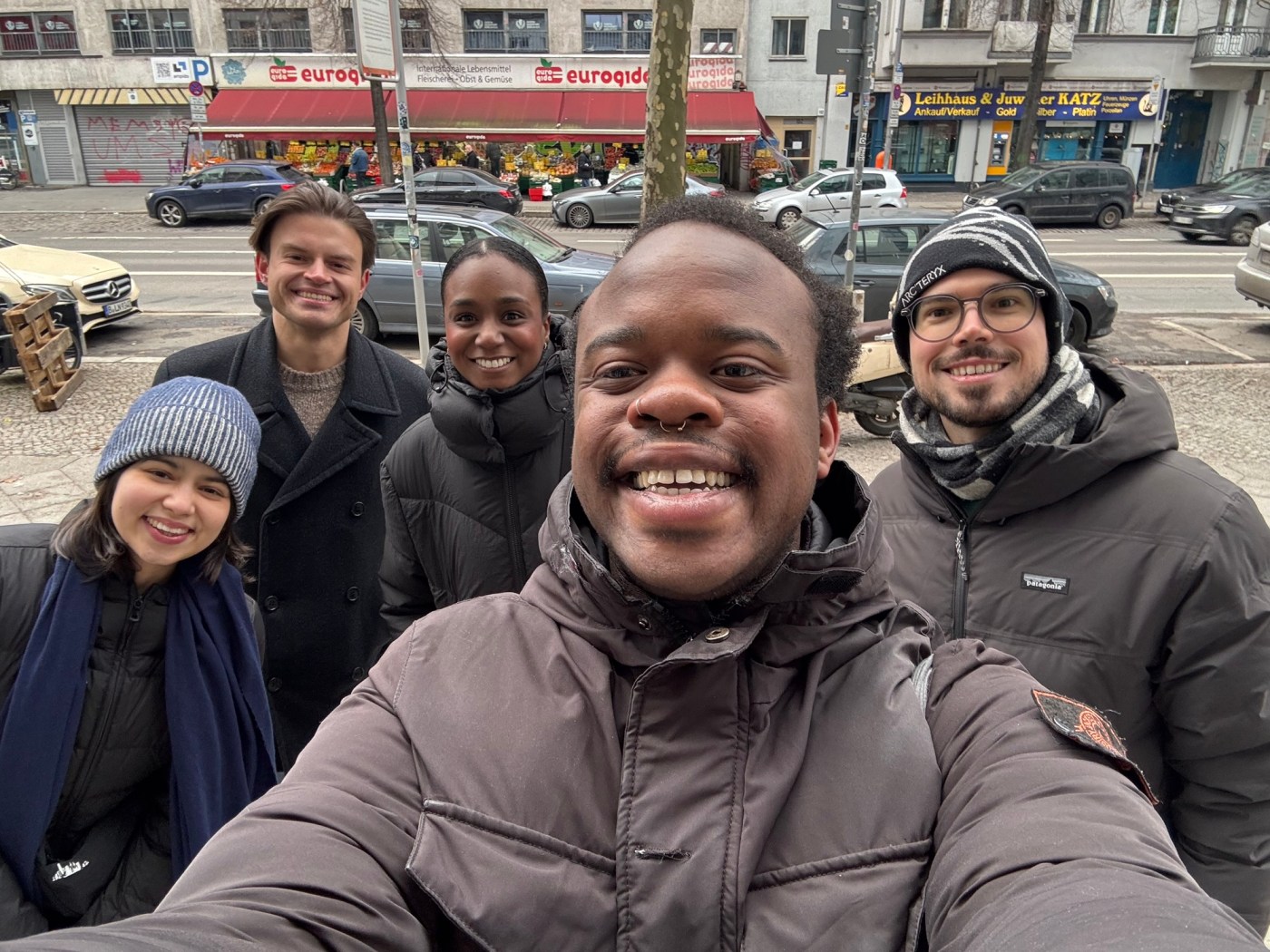
Whatever crosses your mind when you think of ‘German history’ is likely the same version that I learnt from textbooks and by spending time in Berlin as a teen.
Learning about Berlin’s history is part of the reason that I kept coming back to visit. As shocking as the history is, even at a young age, I found it so intriguing that Germany is so open about its wrongs – something I’d not seen growing up in the UK.
But 20 years later, I learnt about a different type of history in Berlin. Why?
I went on a Black & Queer Feminism tour.
As a Black Brit, I grew up learning Black British history, participating in Black History Month at school, and having fruitful conversations about it with friends and family. But over two decades of speaking German and living in Germany throughout ten years of that period, I’d never had a Black German history lesson. So, it was about time!
Starting in Schöneberg, our tour guide Thil (who was fantastic!) took us on a journey through Berlin’s colonial history – from foods and goods to incredible stories of Black women who navigated life in colonial Germany during the 20th Century.
Thil also shed light on the experience of Black women who more recently lived in Germany, including May Ayim, Audre Lorde, and Ika Hügel- Marshall. Afro-German activists who have inspiring yet heartbreaking stories of their lives lived in Germany, as queer Black women.
Why was the tour so good?
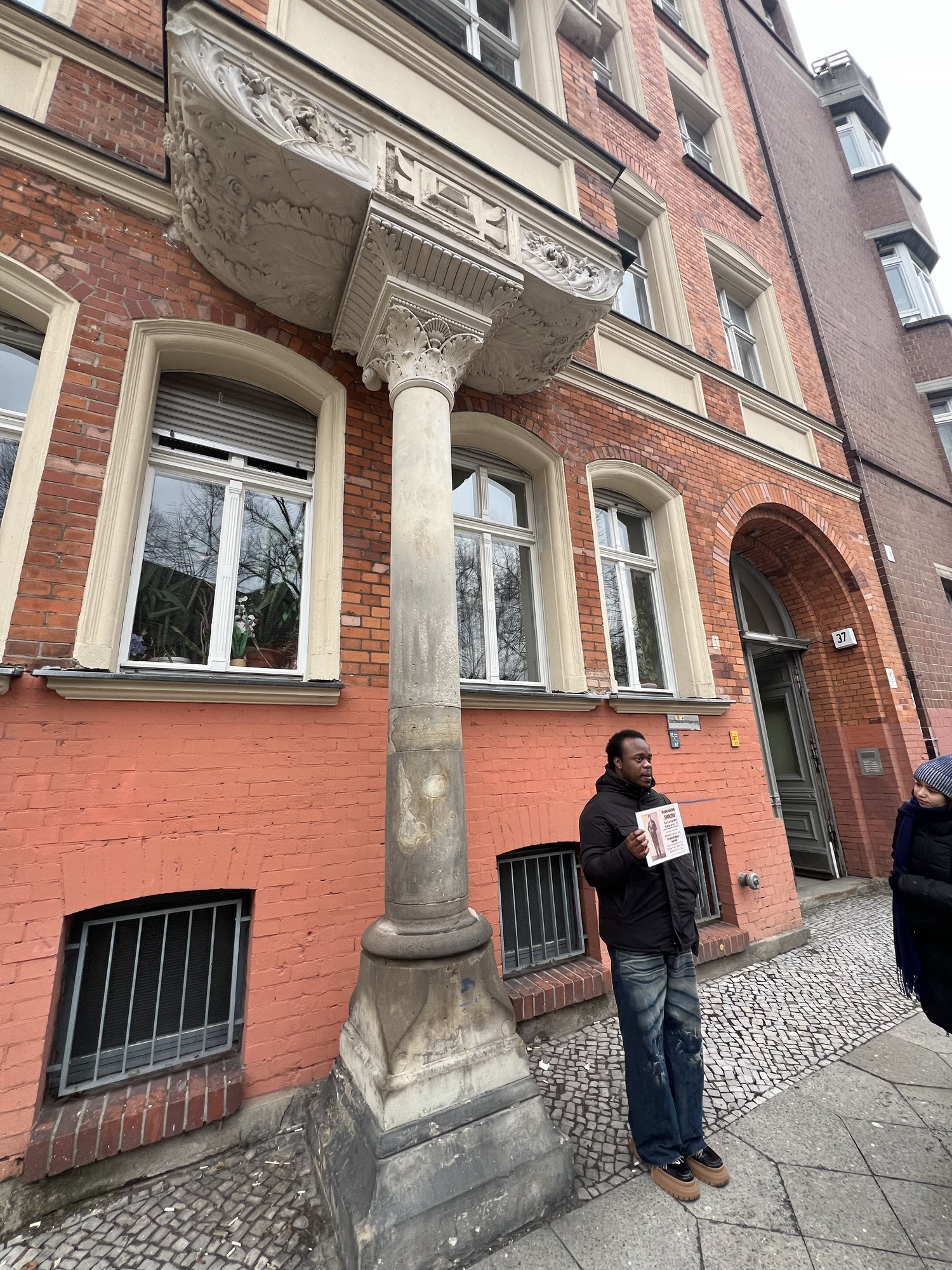
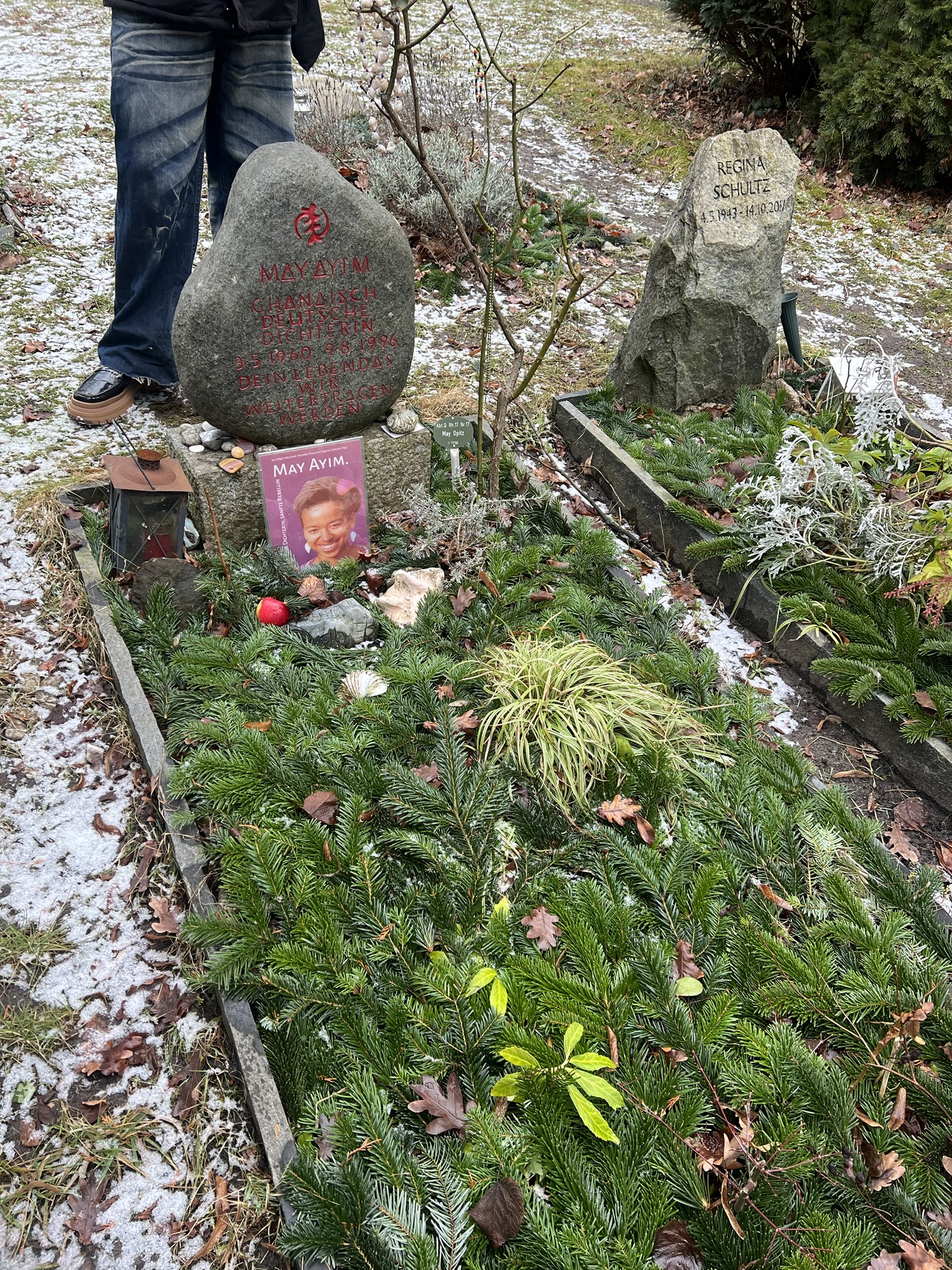
Thil encouraged new conversations that I otherwise wouldn’t have had. It got me thinking about the experiences of these women, and what they mean for Black and queer people in Germany today. The tour enabled me to see Berlin from a different perspective and with a new mindset.
Berlin is a city that has opened many doors for me, strongly influencing me to learn German and later relocate to Germany. So, I want to continue to learn about this city, especially about other Black women who have experienced Berlin.
I did the tour on a Saturday in February. If you’ve never experienced Berlin’s winters, then lucky you! But I must say that the 2.5 hours flew by, as Thil kept us engaged, encouraged conversation, and told the historical stories in a way that kept us wanting to hear more.
Hearing how colonialism has impacted Germany sparked curiosity and was, of course, at times, an uncomfortable listen. Yet, it was a good reminder that history depends on whose stories are told – something we should all keep in mind.
In case you’re interested, the tour was conceptualised by Justice Mvemba, Founder of DeSta, Decolonial City Tour. A company founded to tell colonial stories that often go unheard. So, if you’re ever in Berlin and want to try something different, I can only recommend!
Next time, I want to do the food tour!
 Alisa Jordan Writes
Leave a comment